Structural Drying & Dehumidification in Bay Shore, NY
Getting the water out is only half the job. South Shore crews dry the framing, subfloor, and wall cavities to a verified reading, so damp does not come back, 24/7.
(631) 239-3879Tap the 24/7 South Shore dispatch line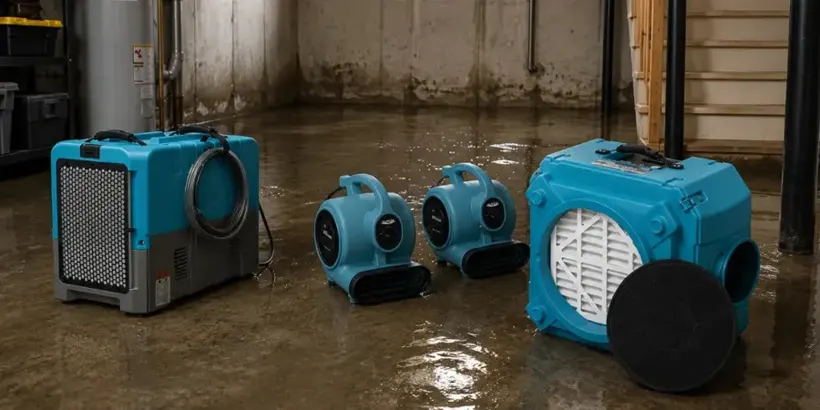
Why the South Shore calls the local pros first
Rapid local response
The response team answers 24/7, and the nearest crew heads out the moment you call, day or night, across Bay Shore and the South Shore.
IICRC S500 drying standard
Trained crews with truck-mounted extractors, air movers, and moisture meters dry to a verified standard, not a mop and a fan.
Claim-ready documentation
Crews document the loss with timestamped photos and daily moisture readings, the paperwork an adjuster needs to move a claim.
South Shore water experts
Bay surge, a high water table, winter freeze splits, and old copper: the local pros know how water moves in a Long Island coastal home.
What to do the moment you find structural drying & dehumidification
- Keep airflow going
If it is safe, leave any equipment already running and keep interior doors open to help air move.
- Do not close it up
Resist sealing a damp room. Trapped moisture is what causes lasting damage.
- Leave the wet materials
Do not paint or seal over damp drywall or trim. It has to be dried and verified first.
- Call for drying
Reach the 24/7 line and a Bay Shore crew brings professional drying equipment, day or night.
What does Structural Drying & Dehumidification cost in Bay Shore, NY?
In Bay Shore, NY, structural drying and dehumidification typically runs $1,000 to $7,000, depending on the size of the wet area, how many materials are involved, and how many days of equipment it takes.
Single room
- Air movers and a dehumidifier
- Daily monitoring
- Verified dry readings
Multi-room or level
- Larger equipment set
- Wall-cavity drying
- Moisture logs
Whole-home dry-out
- Extended equipment
- Multiple dehumidifiers
- Full documentation
Every loss is different. Get a closer number with the water damage cost calculator, then call for a firm on-site estimate.
How structural drying & dehumidification is handled in Bay Shore
Call and dispatch
The response team answers 24/7, and the nearest Bay Shore crew heads out with pumps, air movers, and moisture meters.
Assess and stop it
The crew finds the source and the full reach of the water, including what soaked into subfloor, cavities, and insulation.
Extract and dry
The extraction crew pulls the standing water, then runs air movers and dehumidifiers to a verified dry standard, not just the surface.
Verify and document
The crew logs moisture readings until the structure is dry, then documents the loss with the photos and daily readings an adjuster needs to move a claim.
Extraction pulls the standing water, but the water that soaked into framing, subfloor, drywall, and insulation is what causes the real long-term damage if it is left. Structural drying is the science of pulling that bound moisture back out with the right balance of airflow and dehumidification, and it is where the bay-area humidity makes doing it properly matter most. The restoration technicians dry to a number, not a hunch.
Why proper drying matters on the South Shore
Long Island air is humid, and a home near the bay dries slowly on its own:
- Materials that feel dry on the surface can be soaked inside
- Trapped moisture warps flooring, swells trim, and weakens framing over time
- Damp cavities invite odor and worse if they are not dried fast
- Only meters confirm the structure is truly dry, not a touch test
How a structure is dried
Good drying is a balanced system, and the crews design it for each loss:
- Map every wet material with moisture meters and set target readings
- Place air movers to sweep moisture off surfaces into the air
- Run dehumidifiers to pull that moisture out of the air and the room
- Monitor daily and adjust until every reading hits dry
Drying follows right on the heels of water extraction and is the finishing step on a basement flood or any other loss.
Had water and want it dried right? Call and a Bay Shore crew brings the drying equipment, day or night.
☎ Call (631) 239-3879Dried to a standard, documented
The dry-out follows the standards published by the IICRC, and the EPA is clear that drying wet materials within one to two days is what prevents secondary damage. The CDC offers the same guidance on prompt drying. You get the daily moisture logs, which also support your claim.
Do not pull the equipment early
Air movers and dehumidifiers can look like they are done long before the framing is dry. Letting them run the full cycle and confirming with meters is what separates a real dry-out from a repeat problem.
From Bay Shore across the South Shore of Long Island
Bay Shore water damage pros respond across every South Shore ZIP, day or night.
The Bay Shore water damage pros cover the whole south shore of the Town of Islip, day or night, with rapid local response from the bayfront to the Islip line.
Coverage runs across Bay Shore, Brightwaters, West Islip, East Islip, Islip, Brentwood, Central Islip, Great River, Oakdale, Sayville, and the South Shore.
See every neighborhood and ZIP coveredRelated water restoration services
Structural Drying & Dehumidification questions, answered
Water in your home right now?
Do not wait for the FAQ. A local South Shore crew is standing by 24/7.
(631) 239-3879 Call the South Shore lineWhy not just use fans to dry my house?
Household fans move air but do not remove moisture from the air, so in humid South Shore conditions they can push damp around without drying the structure. Professional drying pairs air movers with dehumidifiers and confirms results with meters.
How long does structural drying take?
Most losses dry in three to five days with equipment running continuously. Bay-area humidity and the amount of soaked material can extend that, which is why crews monitor daily and dry to a reading rather than a fixed schedule.
How do you know when it is actually dry?
The crew takes moisture readings on every wet material and compares them to a dry standard for that material. The crew does not pull equipment until the numbers confirm the framing, subfloor, and drywall have reached dry.
Can you dry inside walls and floors?
Yes. The crew uses specialty equipment to push dry air into wall cavities and under flooring through small controlled openings, so they can often be dried in place instead of tearing everything out.
Will drying prevent odor and mold?
Fast, complete drying is the single best way to prevent the musty odor and growth that come from lingering moisture. Getting materials dry within a day or two is what the EPA and CDC recommend, and what the crew aims for.
Do you provide drying records for my insurer?
Yes. The crew logs daily moisture readings and equipment placement, which document that the structure was dried properly. Adjusters value that record, and it protects you if any question comes up later.
Water damage in Bay Shore? Call now.
Water sitting means damage spreading. Call Great South Bay Water Restoration and a local crew heads out across the South Shore, day or night.
(631) 239-3879Call now, a local crew picks up day or night